
How to Plan Your Visit to America’s Largest National Park
Visiting Wrangell–St. Elias National Park and the historic towns of McCarthy and Kennecott is one of Alaska’s most unforgettable adventures—but it can also be one of the trickiest to plan.
Remote, wild, and wonderfully off-the-beaten-path, this corner of Alaska rewards travelers who arrive prepared, flexible, and ready for real adventure.
Whether you’re dreaming of glacier hiking, history touring, rafting among icebergs, or simply soaking up the serenity of a true wilderness community, here are the essential travel tips to make your trip to Wrangell–St. Elias National Park (WSENP) smooth, safe, and spectacular.
1. Make Your Stay Long Enough to Be Worth the Journey
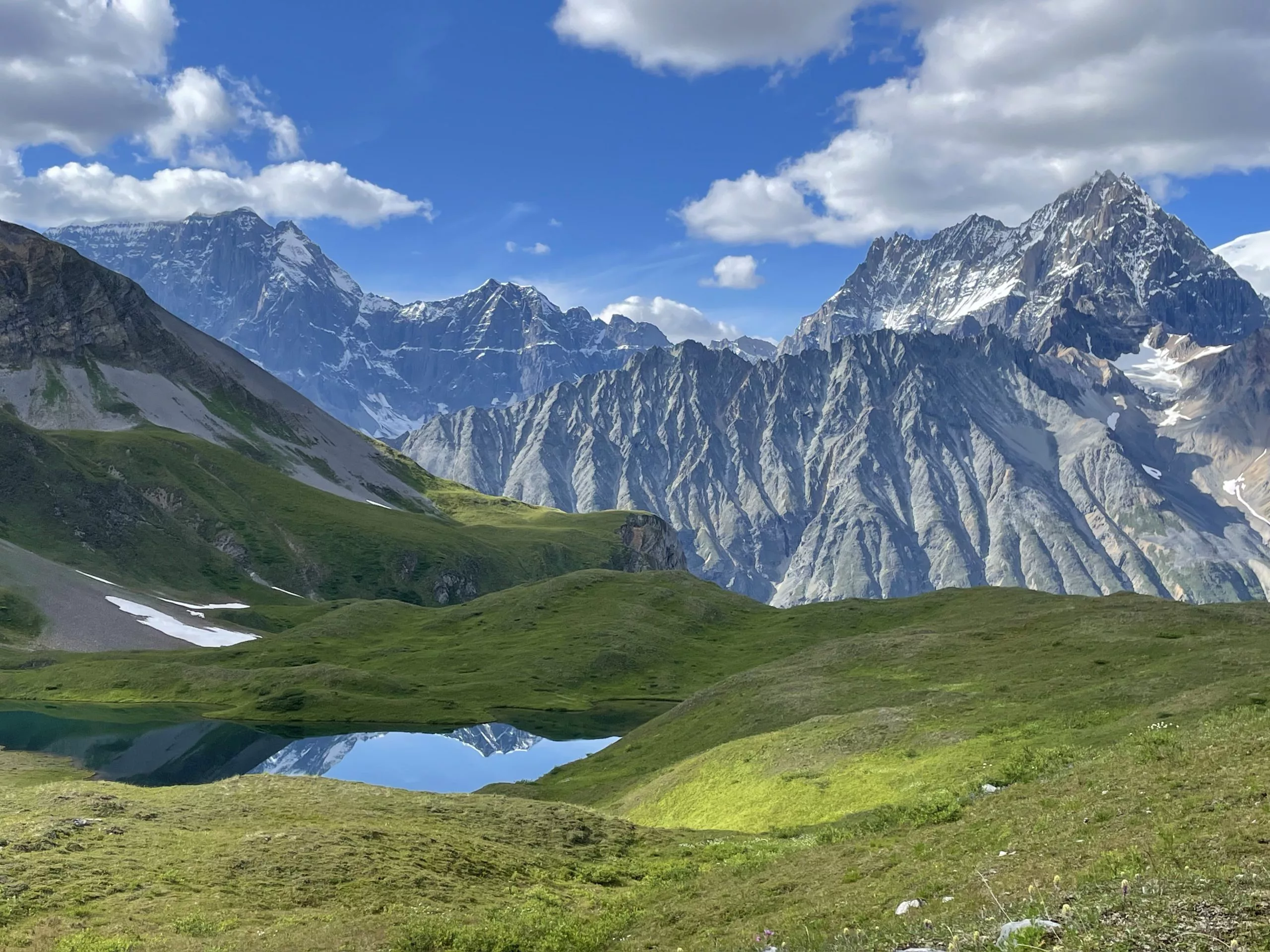
Wrangell–St. Elias is remote—even by Alaska standards. Many visitors are surprised that the official Visitor Center in Copper Center isn’t actually inside the park’s most iconic terrain.
To experience the glaciers, the high peaks, and the historic Kennicott Mines, you must reach the heart of the park: McCarthy and Kennecott.
Because getting here is an adventure in itself, we strongly recommend staying several days. Once you arrive, you’ll understand why visitors always wish they planned more time.
Why Wrangell–St. Elias deserves extra days
-
This region holds 60% of Alaska’s permanently glaciated terrain.
-
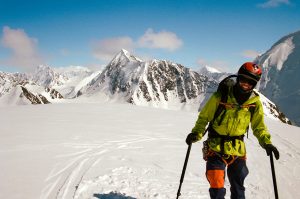
The park is home to 6 of the 10 tallest mountains in the U.S., including Mt. Blackburn towering above Kennicott Valley and Mt. St. Elias dominating the coast.
-
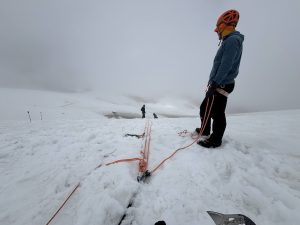
Activities are endless: glacier hiking, ice climbing, rafting remote rivers, packrafting past icebergs, flightseeing over massive icefields, and simply enjoying the solitude of true wilderness.
This is a place where time slows down, days stretch under the midnight sun, and the quiet can be as transformative as the adventure. Plan to stay long enough to savor it.
2. Come for the Adventure… Stay for the History (or Vice Versa)
Whatever inspires your trip—mountains, glaciers, photography, wildlife, solitude, or history—you’ll find more than you expected.
In the Kennicott Valley alone, you’ll discover:
-
The 5th tallest peak in the U.S. (Mt. Blackburn)
-
The tallest icefall in the world (the Stairway Icefall)
-
One of Alaska’s most accessible glaciers (the Root Glacier)
-
One of the smallest, most authentic bush communities in Alaska
-
A remarkably well-preserved National Historic Landmark
-
The tallest wooden structure in North America, built over one of the richest copper ore veins ever discovered
People often arrive curious about one thing—then leave obsessed with something else. You may show up a history buff and leave an amateur glaciologist… or an aspiring bush pilot… or an ice-climbing fanatic!
Pro tip:
Build some spontaneous “exploration time” into your itinerary. This place inspires people to try new things. It’s normal to extend your stay or immediately start planning your return trip.

3. Off the Grid—But Still Connected
McCarthy and Kennecott are entirely off the grid, which means every business and resident generates their own power and water. Expect a charmingly rustic experience—and remember that “basic” amenities are harder-won here than elsewhere.
What to expect
-
Lodging accommodations often use solar power, generators, or a mix of both
-
Water is locally sourced and carefully managed – you will be asked to conserve
-
Electricity, heat, and plumbing exist here and there, but outhouses are more popular than flush toilets
-
Prices reflect the self-sufficient effort required to offer comfort this far out
What about internet and cell service?
-
Most lodging hosts offer reliable Wi-Fi
-
Verizon and GCI work well in town; other providers don’t
-
Streaming or heavy data use may not be realistic—lean into the chance to disconnect
Despite the remoteness, McCarthy/Kennecott is road accessible and serviced by regular bush flights. You can drive yourself, take a shuttle from Glennallen/Chitina, or fly directly into town.
Helpful resource:
👉 Our Lodging + Transportation page has more details on how to get here and where to stay once you’ve arrived
4. Prepare for the “Alaska Factor”
Wrangell–St. Elias is wild—truly wild. The landscape is constantly shifting, and nature tends to call the shots. We call this the Alaska Factor, and embracing it will transform your experience.
What the Alaska Factor means
Expect the unexpected, including:
-
Weather systems that move rapidly off massive mountains
-
Glacier melt affecting river levels
-
Mudslides impacting road travel
-
Wildlife detours (the moose always wins)
-
Sudden itinerary changes due to safety considerations
With 40 years of guiding in this region, we’ve seen it all—and learned to pivot seamlessly. The landscape demands flexibility, and that’s part of the magic.
Your mindset checklist
-
Be adaptable
-
Trust your local guides
-
Understand that Mother Nature runs the schedule
-
Consider travel insurance
-
Allow buffer time in your travel plans
- Don’t leave the hotel without your rain gear
If you come prepared for adventure—not perfection—you’ll have an unforgettable experience.
5. Best Time to Visit Wrangell–St. Elias
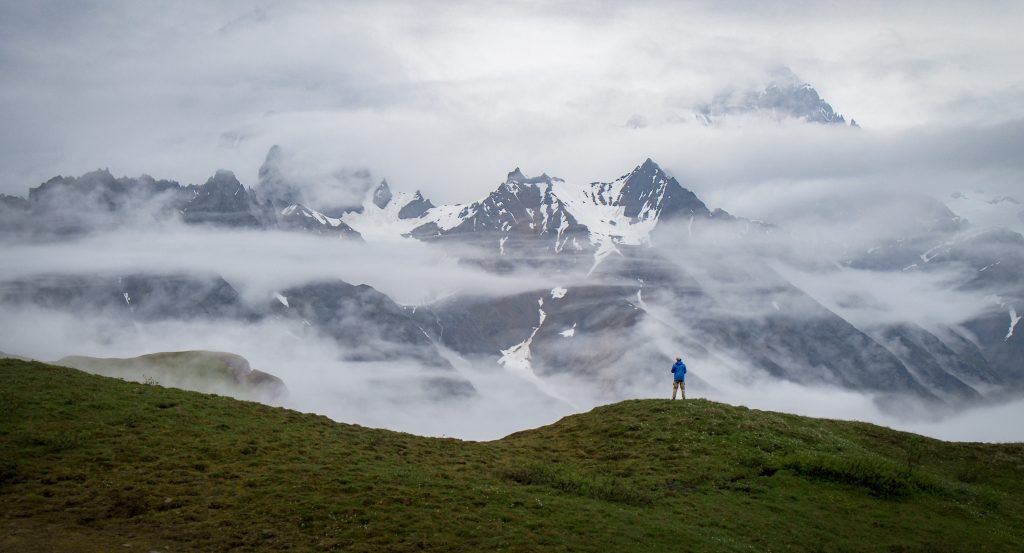
The best time to visit McCarthy–Kennecott is late May through early September.
Seasonal overview
-
May–June: Cooler temps, early-season snow limits backcountry access, quieter town
-
July: Peak summer conditions; best time for long days and warmest weather
-
August: Fantastic for hiking and glacier travel; vibrant colors late in the month
-
September: Stunning fall foliage, fewer visitors, cooler and wetter, dark enough for chances of Aurora sightings at night
Different activities shine at different times—another reason to stay for several days.
Most businesses in town are open from Memorial Day (late May) through Labor Day (first week of September), with some open a week earlier or staying open a week later. Visiting before or after this time can be extremely challenging, and visitors must be completely self-sufficient, ready to camp and cook for themselves. In the off-season, local public transport is not available, and the historic buildings of Kennecott are closed.
6. What to Pack for Wrangell–St. Elias
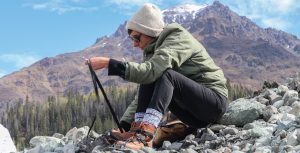
Packing for remote Alaska takes intention. In short: think layers, waterproof, sun protection, and warmth even on sunny days.
Essential packing tips
-
Waterproof jacket & pants
-
Insulating layers (fleece, puffy, wool base layers)
- Swimming suit (for the local swimming hole or a Blue Pool Jump!)
-
Hiking boots or sturdy shoes (ideally, waterproof)
-
Refillable water bottle
-
Sun protection (glacier glare is intense!)
-
Bug protection in June–July, especially
-
Personal snacks (limited shopping options in town)
-
Any specialty medications or comfort items—there are no big stores nearby
- Extra baggies to pack out any trash
Helpful resource:
👉 Our Trip Prep page has trip-specific equipment lists and ideas on how to prep your gear for Alaska
7. How to Get to McCarthy–Kennecott
Three common ways to reach us
-
Drive the McCarthy Road (gravel, remote, scenic—allow extra time)
-
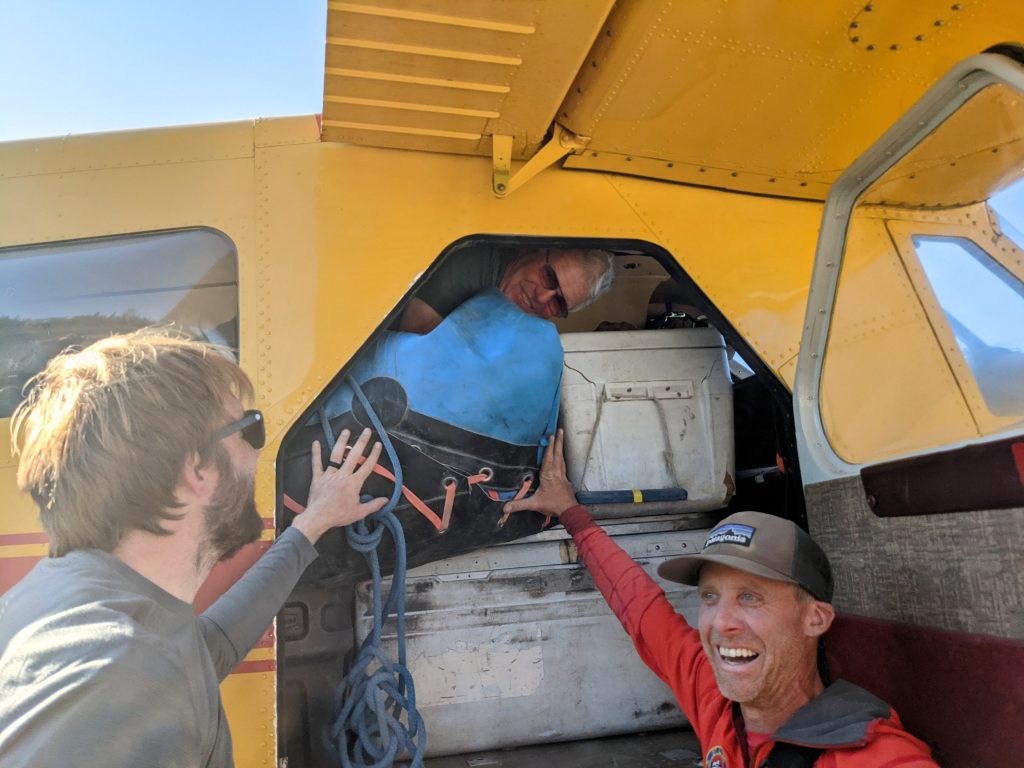
Fly via small bush plane from Chitina, Glennallen, or Anchorage
-
Take a shuttle service—a great option if you’re not renting a car or don’t want to drive gravel roads
This is a much bigger topic, so make sure to check out our Transportation + Lodging page for all the details. If you have questions about logistics, contact us – we’re happy to help!
Once you’ve arrived in McCarthy-Kennecott, you don’t need a vehicle, and local transportation is easy! Lodging hosts will provide transport for check-in and check-out, and we provide transport for most of our activities. For anything else, you can use the local shuttle – pricing and timing vary seasonally, but the service is timely and readily available.
Helpful resource:
👉 Check out our McCarthy-Kennecott Map for local details. A paper map is available at the Visitor Center at the end of McCarthy Road and at our office in Kennecott.
8. Responsible Travel + Wilderness Etiquette
This place is really special and we want to keep it that way for generations of future visitors.
Keep Wrangell–St. Elias wild
-
Pack out what you pack in: There is no landfill or trash collection in McCarthy-Kennecott. All locals have to haul their trash out to Anchorage. Please do your part and haul out your own trash.
-
Practice Leave No Trace (“LNT”): Fire rings and ashes, cigarette butts, toilet paper, and even stacked rock cairns – all of these are signs of human impact and destroy the wilderness landscape.
-
Respect wildlife distance guidelines: We’re lucky that our animals are still wild and not accustomed to humans. This balance keeps us both us and them safe. Enjoy wildlife sightings from a distance and be careful with your food storage.
-
Support local businesses: this community is tiny and dependent on seasonal tourism. There are no corporate concessions out here, and every business is a small, mom-and-pop shop, working hard to make a living in this remote corner of the wild.
-
Choose guided adventures for safe, low-impact access to glaciers and remote terrain: Our guides are trained LNT professionals, devoted to the stewardship of this incredible place. They know how to tackle every wilderness challenge and ensure you get the most out of your Alaska experience, while staying safe and enjoying the landscape responsibly.
Final Thoughts: Embrace the Wild, Remote Magic of Wrangell–St. Elias
Traveling to Wrangell–St. Elias National Park is not like visiting most national parks—it’s deeper, wilder, and more transformative. With its remote landscape, rich history, massive glaciers, bush-community charm, and boundless adventure, this place is designed for travelers who crave something real.
Come prepared. Stay flexible. Be ready to fall in love.
And above all—give yourself enough time here. You’ll want it.
Check out our other Travel Tips, like Common Alaska Misconceptions, as you plan your visit, as well as our FAQ for even more information! Get in touch with any remaining questions – we can’t wait to see you in the Wrangells this summer and are happy to help you get out here by answering any questions you have!
updated 11/2025