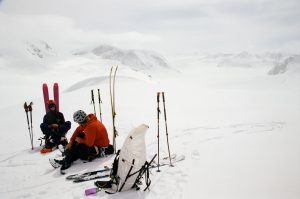
Need advice on what to wear for your big trip in the Wrangells? Want to stay as comfortable as possible while still being ready to conquer the mountains? Check out tips and tricks on an effective layering system to keep you warm and dry on your ski base camp adventure in Wrangell St. Elias National Park.
Tech Tips: Layering for Ski Base Camp with St. Elias Alpine Guides
Start from the Bottom: Base Layers
All good layering begins with a solid foundation. Let’s talk fabrics—your base layer is where comfort, performance, and warmth start.
Cotton? Never.
Everyone knows that cotton is rotten—especially outdoors. Cotton absorbs moisture and holds it against your skin, which can quickly wick away your body heat when wet. Don’t wear cotton if you want to stay warm and dry in the mountains.
Polyester? A solid choice.
Polyester (or dry-fit fabric) dries fast and is widely available. It’s a great, affordable option that works well while active. However, keep in mind that polyester doesn’t insulate well if it gets wet, so it’s best for dry conditions or high-output activities.
Wool: The Mountaineer’s Best Friend.
Wool is the champion of base layers—warm, moisture-wicking, and surprisingly quick-drying. Most importantly, wool keeps you warmer when wet, making it essential for cold, snowy adventures like ski base camping. I always opt for wool because I know it offers the best protection against Alaska’s unpredictable weather. Anything from Smartwool is really my go to for my base layers.
Layering Up: The Magic of Layers
(Shrek’s voice) “Clothing in the mountains is like onions—it has layers!”
A proper layering system is vital for staying warm, dry, and comfortable. Rather than relying on a single “super jacket,” think of layering as building a protective, adaptable system. Here’s my personal approach, though feel free to tailor it to your needs:
Socks
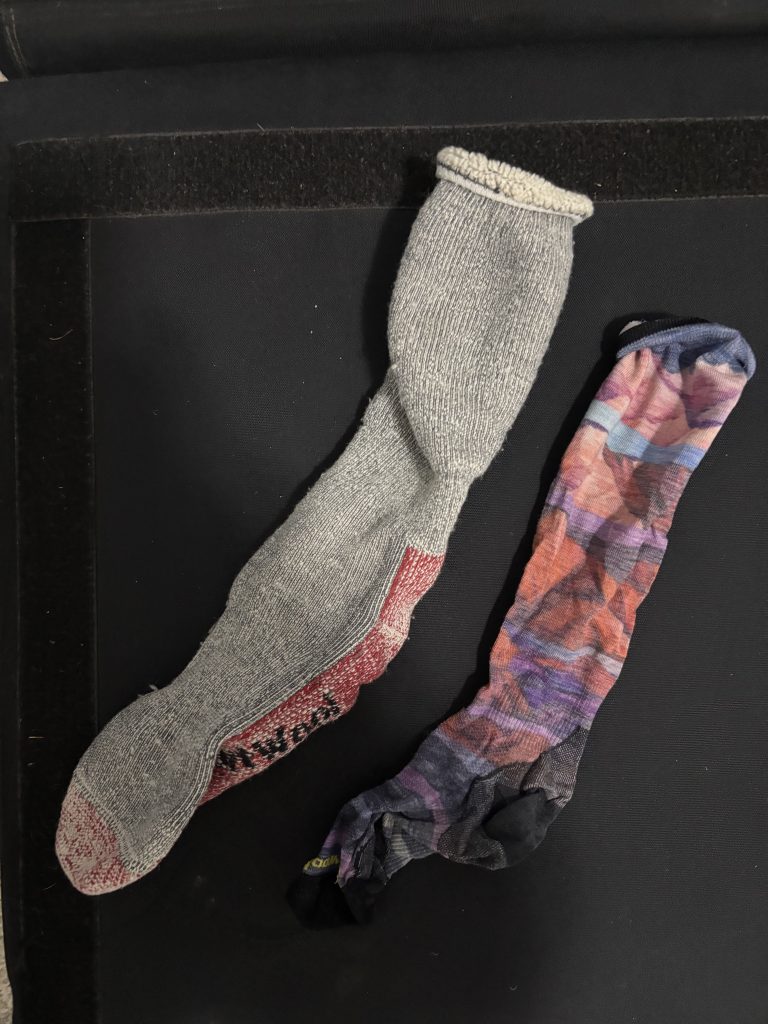
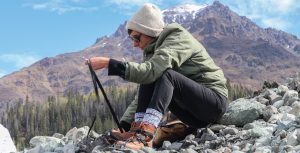
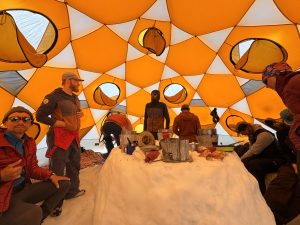
When wearing ski boots, I prefer thin socks. Thin socks maximize circulation and reduce pressure points, leading to happier toes and better boot comfort. Don’t forget to pack a thick, warmer pair for Dome Life!
Long Johns/Base Layer
My go-to is a thin pair of long underwear, matching the weight of my top base layer. I generally run warm and tend to get sweaty, so thin wool is supreme for moisture wicking and breathability. For those who run colder, perhaps a thicker pair of johns is the solution, but regardless, keeping this layer wool is crucial. On days I know it is going to be particularly warm, I always have an extra polyester t-shirt to throw on instead of the base layer top. Sometimes I will even run just boxers in my snow pants. Regardless, having a spare, dry t-shirt will always be nice for apres even if you do not use it during the day.
Mid Layer
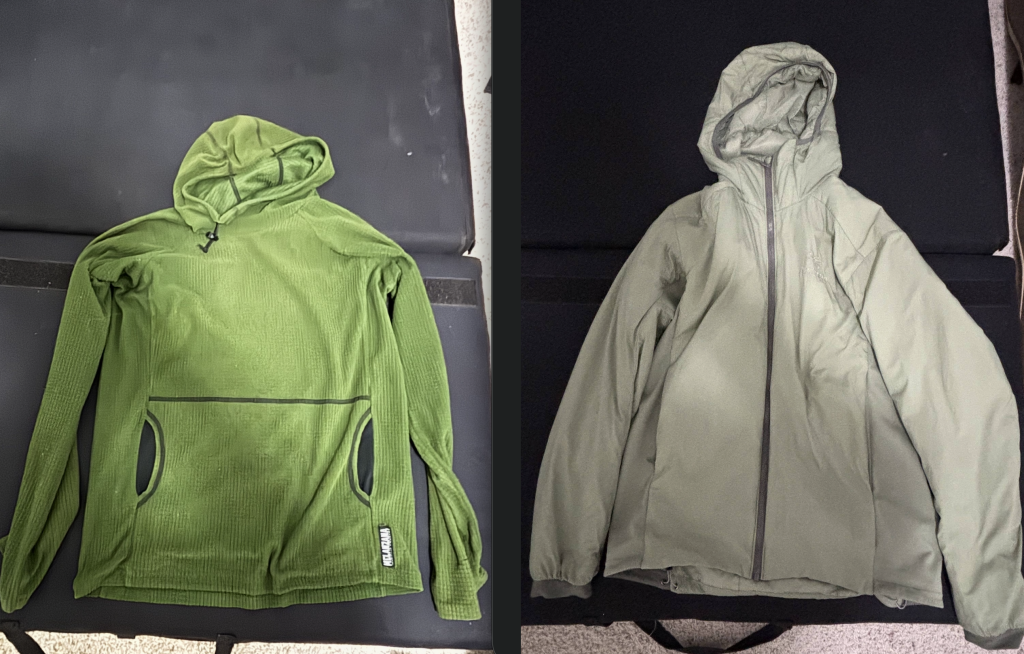
This is arguably the most versatile layer in the entire shebang. The mid layer can range from a thin sun hoody to a much warmer puffy or fleece. This is really the insulating layer, worn mostly on the upper body (unless you run very cold, you can bring a pair of dry-fit sweats for your bottom). I favor synthetic for the mid layer, as it packs down nicely and is lightweight. In the lower 48, this might be all I pack for my insulation. In colder climates, like Wrangell St. Elias, I am definitely adding on the parka to the kit.
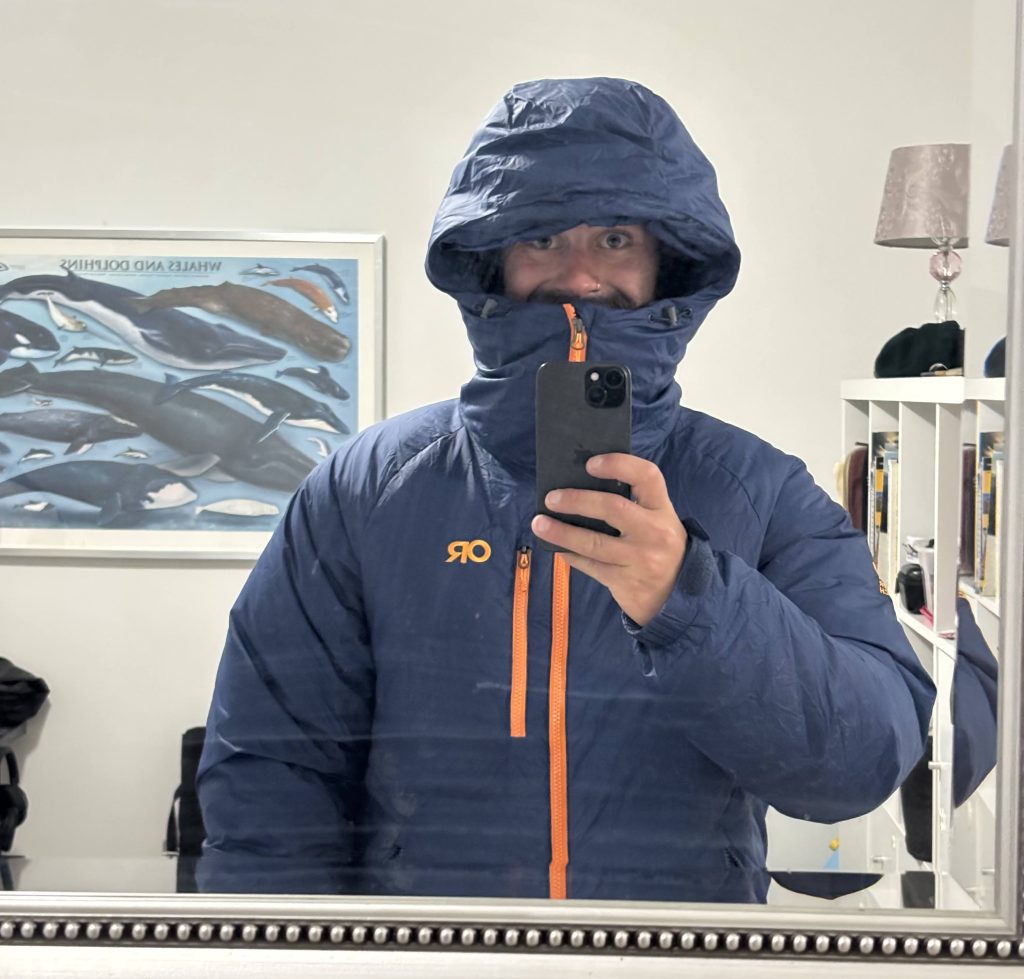
Puffy Insulation/ Parka
A thick, cozy puffy jacket is an absolute must. It packs small, provides instant warmth, and is perfect for cold mornings or when relaxing at Dome Life. I also bring puffy pants for colder days or evening transitions—they’re great for warmth and comfort. Generally speaking my parka only comes with me on overnight expeditions and cold Alaskan adventures.
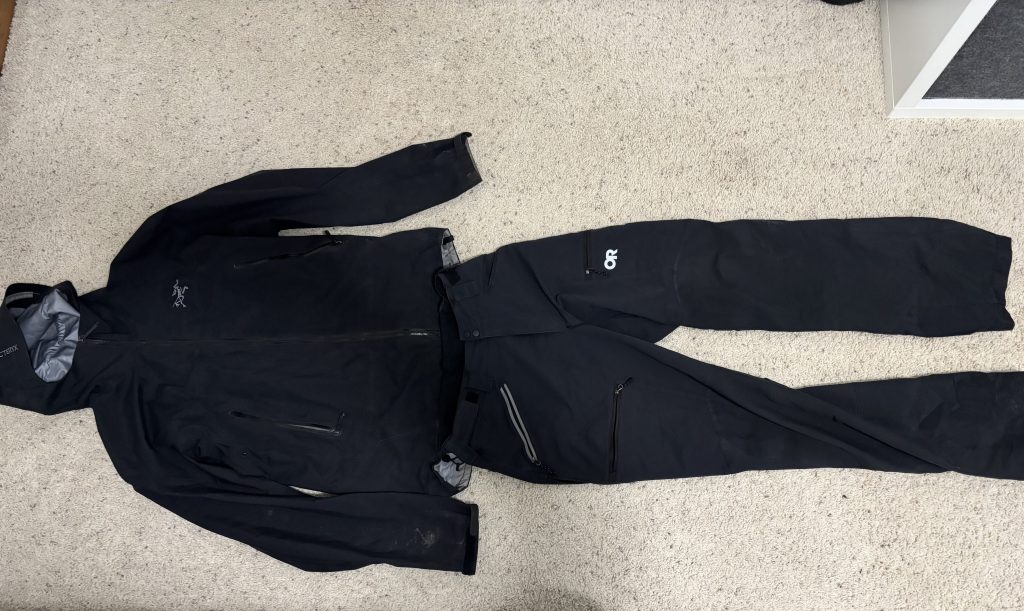
Outer Layer (Shell)
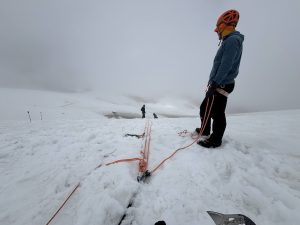
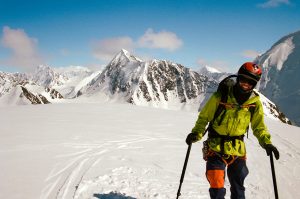
Your shell is arguably the most critical layer—keeping snow and rain out while allowing moisture to escape. A high-quality, waterproof shell for your top and bottom makes a huge difference, especially when kneeling in snow during crevasse rescue practice or waiting out a storm. Invest in a thoroughly waterproof, breathable shell to protect you in all conditions.
Extremities and Accessory Items
Mittens/gloves
Crucial! Always protect your digits! My daily driver for most cold-weather adventures are the Showa Temres. I always bring a warmer pair of mittens, however, in case of emergencies.
Socks
When wearing ski boots, I prefer thin socks. Thin socks maximize circulation and reduce pressure points, leading to happier toes and better boot comfort. Don’t forget to pack a thick, warmer pair for Dome Life!
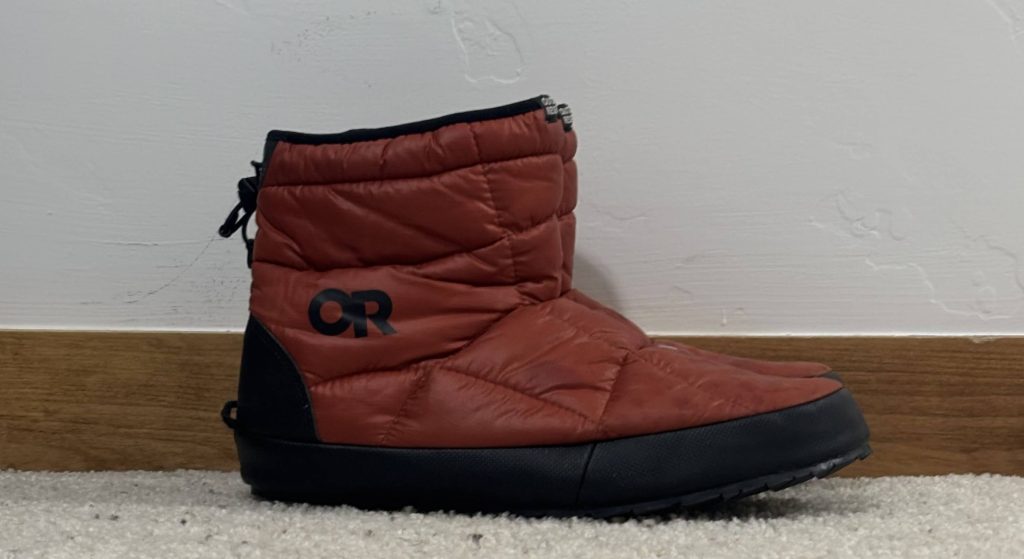
Booties
One of the more important items that I bring along on all mountaineering trips is a pair of booties. Having a warm, comfortable camp shoe will make your feet much happier throughout the duration of the trip.
Sun hoodies
This is a great item for those who are sun-sensitive or like having that backup top layer. The sun hoodie can function as both a base layer and a mid layer. It multi-function item and is a powerful item to keep in the Alaska ski trip arsenal.
Neck Buff
This really is an accessory. Some people love them, others do not. I am impartial, but I always bring one just in case. This is kind of like recreationalists’ Thneed, containing many uses.
Hats
Hats have a wonderful benefit in the backcountry, not only keeping us warm, but also providing sun protection. I always bring a warm beanie, wool or polyester, and a hat with a brim. The beanie is great for dome life and colder days, and the baseball cap is great for sun protection. Both items are small, so I am not opposed to having them both in my kit.
Final Thoughts
Layering isn’t just about staying warm—it’s about creating a flexible system to adapt to changing conditions in the mountains. With the right gear, you’ll maximize your comfort—so you can focus on what matters most: enjoying the wild beauty of Wrangell and crushing those epic descents.
Ready to pack smart and layer like a pro? Join us for a ski base camp adventure with St. Elias Alpine Guides—where proper layering sets the foundation for unforgettable experiences in the Alaska Range!
Thanks for reading and coming along for the adventure. To get a better sense on how to pack for a ski base camp trip with St. Elias Alpine Guides, check out this equipment list for more information.
Written by Josh Fine
Since 1978, St. Elias Alpine Guides has been the oldest continuously operating outfitter in Wrangell-St. Elias National Park, guiding thousands of adventures across its 13.2 million acres. With over 40 years of experience and a team of more than 45 expertly trained guides, we continue to explore uncharted terrain and share our passion for Alaska’s wilderness. Explore our day trips, multi-day trips, and courses, or schedule a call to speak with one of our Alaska adventure experts.