
Wilderness cooking is a core part of any successful backpacking or hiking trip. With proper planning, backcountry cooking can be simple, lightweight, and flavorful. You don’t have to rely only on basic or repetitive freeze dried meals—you can build satisfying, high-quality backpacking meals with the right system.
What Is Wilderness Cooking?
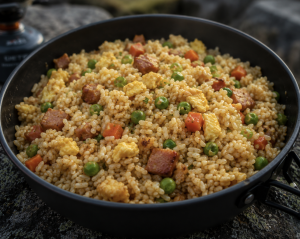
Wilderness cooking refers to preparing meals while backpacking or hiking in remote areas where all food must be carried with you. Effective backcountry cooking focuses on:
- Lightweight ingredients
- High-calorie meals
- Simple preparation
- Minimal cleanup
How to Organize Backpacking Meals
Efficient organization is essential for backpacking meals.
Best practices:
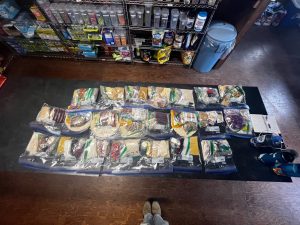
- Pack meals by day and type (breakfast, lunch, dinner)
- Use labeled zip-lock bags for each meal
- Store consecutive days of food in bear cans
- Track who carries each bear can
This system simplifies backcountry cooking and prevents confusion on the trail.
Building a Backcountry Cooking Pantry
A good pantry improves both cost and quality compared to store-bought freeze dried meals.
Core components of backpacking meals:
Protein
- Freeze-dried chicken or beef
- Tuna or salmon packets
- TVP (textured vegetable protein)
Vegetables
- Fresh vegetables (last several days in cool climates)
- Freeze-dried vegetables for longer trips
Carbohydrates
- Rice (fast cooking, lightweight)
- Pasta or noodles
- Grits
- Mashed Potatoes
These ingredients form the base of versatile wilderness cooking systems.
How to Improve Freeze Dried Meals
You can upgrade basic freeze dried meals with small additions.
Flavor boosters:
- Soy sauce
- Sriracha
- Seasoning packets
- Pre-made sauces in small containers
Adding flavor variety makes wilderness cooking more enjoyable after long days of hiking.
The Importance of Fat in Wilderness Cooking
Fat is essential for energy during backpacking.
Butter, olive oil, or coconut oil are key ingredients because they:
- Increase calories
- Improve taste and texture
- Help maintain body warmth
Pre-portion butter into meal bags to simplify backcountry cooking.
Key Takeaways for Backcountry Cooking
- Plan and organize all backpacking meals before your trip
- Build a simple pantry instead of relying only on freeze dried meals
- Add sauces and fats to improve flavor and calories
- Keep meals lightweight and easy to prepare
- Focus on foods you enjoy eating after long days of hiking
Wilderness cooking and backcountry cooking don’t need to be complicated. With the right ingredients and organization, your backpacking meals can be efficient, nutritious, and enjoyable—making every hiking or backpacking trip better.