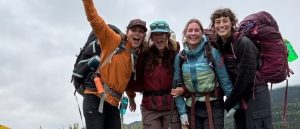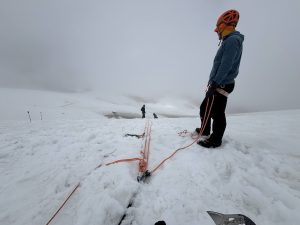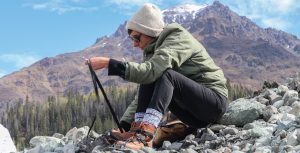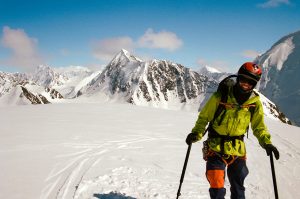

Our owners are climbers and skiers and make it a mission to spread their stoke for the snow, their passion for peak-bagging, and their moderate-to-severe mania for the mountain kingdom of Wrangell – St. Elias! Cody, Bryan and Anya share their personal mountaineering-specific advice gear, temperature regulation, and meal planning in the mountains!
Bryan’s advice: How to stay warm in the mountains

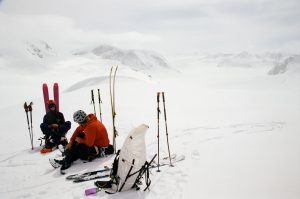
On a mountaineering expedition, staying warm can determine whether or not you get a good night’s rest, stay out for the best line of the day, or are ready to summit when the weather breaks. Bryan’s temperature regulation systems are as finely tuned as his mustache. Here’s what he suggests:
Pocket Cheese: Before heading out for the day, he stuffs his pockets with snacks – cheese sticks, mostly. But it doesn’t have to be cheese for you, he says. Keeping his cheese close to his body keeps it from freezing and being able to grab a quick bite on the go keeps him moving and quickly refueled if he starts feeling chilly. Snickers, he says, will work too!
Vapor Lock Bag-Socks: On a sunny day at high output, Bryan’s feet can work up quite the sweat and dry feet and boots are of utmost importance on a climbing trip. If he anticipates a particularly warm day, he’ll put a thin plastic grocery bag over his socks, before putting on his boots. And upon squelching into camp, he immediately de-boots and takes off his vapor liners and his socks to dry them. Switching immediately to dry socks and down booties, his boots and liners remain completely dry and ready for the next day!
Pee Bottle: Bryan has a designated waterbottle, obviously marked with colorful tape that he can feel in the dark. Instead of getting out of his cozy bag and opening the tent door to the blizzard outside to relieve himself, he’s able to just roll over and achieve relief from the comfort of his own sleeping bag, conserving heat! Bryan’s female mountaineering partners suggest a wide-mouth Nalgene or deep and sturdy Tupperware used in a kneeling position for different anatomy. And whatever bottle you’re using, practice several times before trying it in the tent!
Warm Water Bottle: Before going to bed, Bryan brings a water bottle of hot water to bed with him, or sometimes even two. The warm bottle heats up his sleeping bag and stays unfrozen through the night so he can stay hydrated more easily. Bryan warns of the discomfort of mixing up *warm* water bottles in the middle of the night – mark your pee bottle with something you can feel!
Be a Mitten: Going to bed, Bryan strips down to his baselayers and gets into his sleeping bag. Then, he stuffs the rest of his layers into his sleeping bag to fill any dead air space. Most people think they need to wear their layers to bed, but Bryan reminds us that this essentially insulates different parts of the body from each other within your sleeping bag and you’ll actually be colder that way. Be a mitten, he says, not a glove!
Cody’s advice: Gear you can’t go without on an expedition
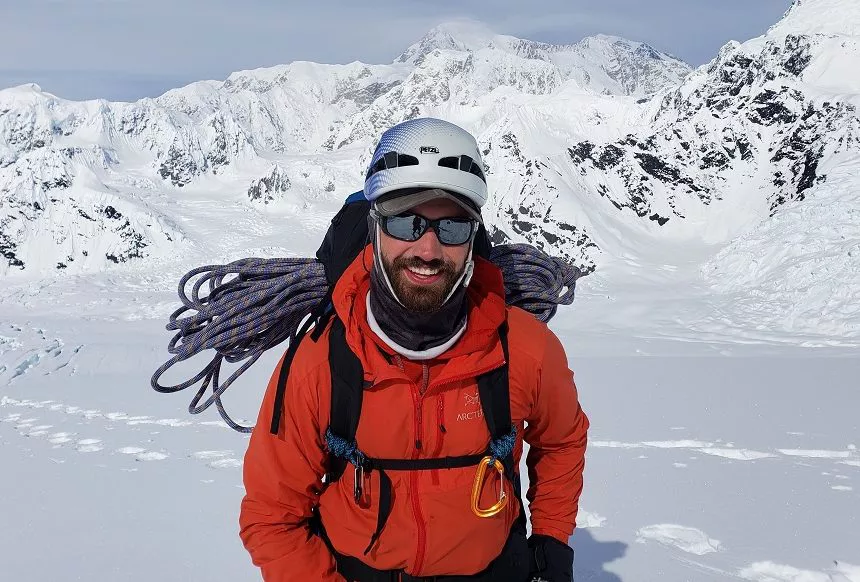 Cody is a known gearhead and is deliberate about putting his equipment to the test. He could have easily sent an entire spreadsheet of recommendations but we asked him to distill it down to the top 5 items he will not go mountaineering without. After much deliberation, here’s what he widdled it down to:
A “Bomber” Shell Jacket: Anyone that’s met Cody knows he doesn’t know what a bomber-style jacket is, but what he means is a completely bombproof, impenetrable, fortress of a jacket that will protect you from ALL the elements. Do not skimp on this layer! Having faced his fair share of truly terrible weather, Cody’s shell is his comfort blanket in the big mountains of Alaska.
Down Booties: Weighing hardly anything at all, down booties will make your feet feel like their floating in all those feathers. After a long and cold day, Cody will take off his boot shells and liners, change his socks for dry ones and stick his feet into those down booties till it’s time to boot up again. Having a warm camp shoe allows your boots to dry out while keeping you comfortable – out there, every small comfort counts!
Puffy Pants: Known for his minimalist aesthetic, you may be surprised to hear that Cody is actually a huge fan of puffy pants, considered by some to be an “non-essential” item. Well, here’s where the minimalist nature comes in – Cody usually wears a baselayer and a shell layer on his bottom half, and if he needs to put on his puffy pants, whether it’s at camp or on the slope, he’ll just throw them on right overtop! This saves him time and with full-zip pants, he doesn’t have to worry about taking off his crampons or ski boots first and can manage his layers with ease.
A “Real” Axe: Cody will save every ounce when it counts, but with his ice axe, he abandons “fast and light” and goes for a traditional, ankle-length axe with a good-size adze. The newer, lighter, and shorter models definitely have a place in the mountains, but in the Wrangells, he finds that something slightly more “old school” works better and is more versatile. From a cane to a chair to a shovel to a belay, you’ll find yourself using your tools in creative ways, and Cody finds a “real” axe to be the most versatile in these environments.
Anya’s advice: How to eat well at high altitude
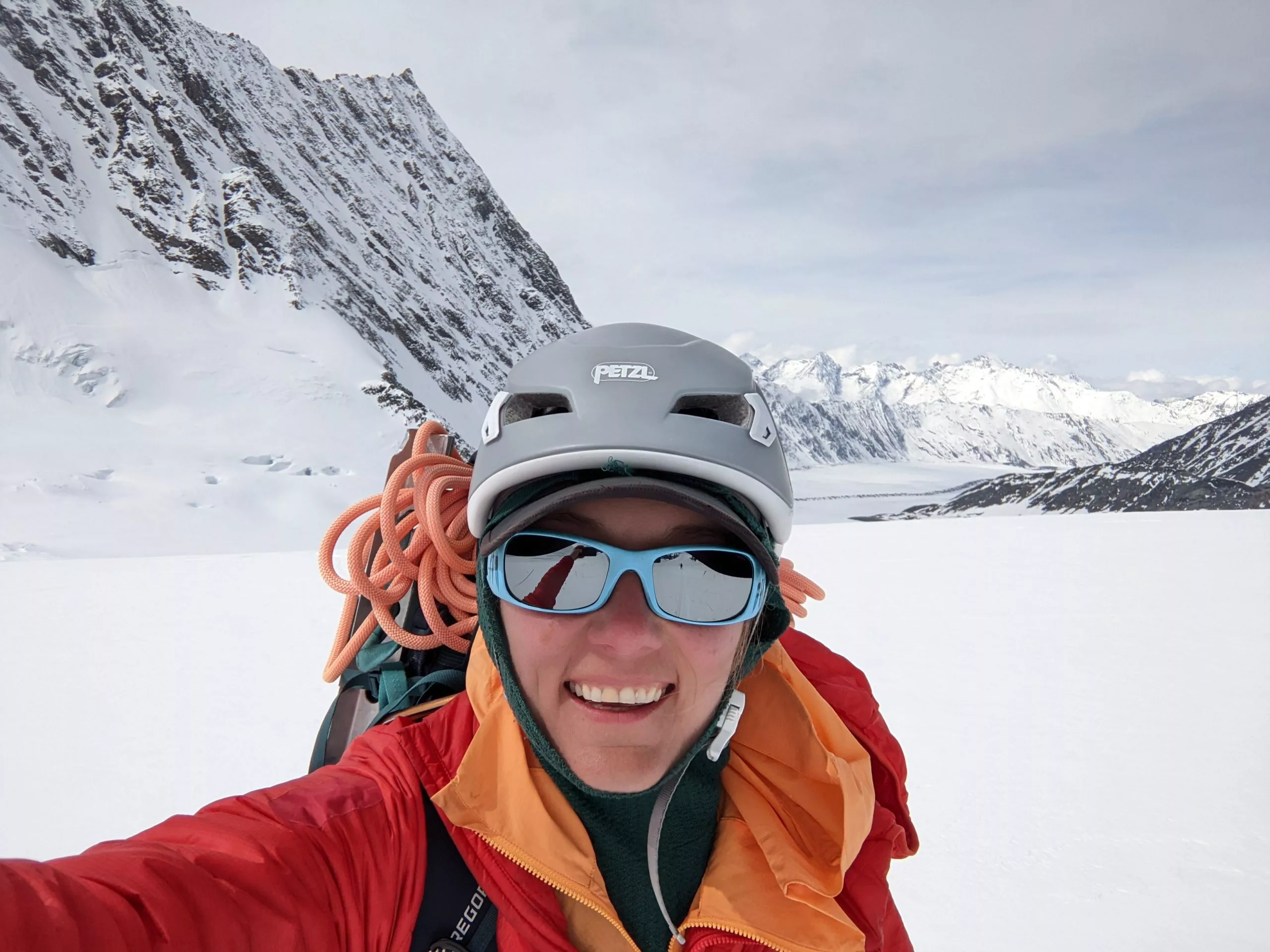 If you’ve ever gone on a trip with Anya, you’ve probably eaten better in the backcountry than you usually do at home. This girl only goes gourmet!
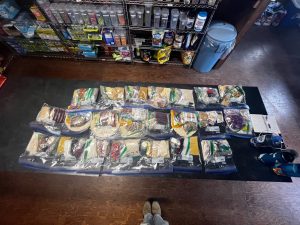
Anya knows that a good meal can make or break a day in the mountains, and puts extra care into planning her meals – especially on mountaineering expeditions.
Managing Appetite at High Altitude: High-altitude mountaineering burns more calories than most other athletic feats, but like many other climbers, Anya suffers a loss of appetite and sometimes nausea as her body acclimatizes. Not eating is not an option. Here’s what Anya suggests:
Pack a variety of snacks and include items you might not normally go for. If all you have are the same granola bars for 12 days, you’ll have a hard time getting them down after a couple of days.
- Consider snacks of different textures as well as flavors – sweet and savory. You never know what might sound good to you up there. On Mt. Bona, all Anya could get down was aged cheddar – luckily, she brought enough to high camp to keep herself satiated through her summit bid!
- Don’t just pack healthy snacks. It’s nice to think that you’ll be veggin’ out on dried fruit and nuts, but your inner child will need comforting, too. Stock up on calorie-dense candy bars and salty, crunchy snacks in addition to aspirational organic fruit leathers.
Butter it up. Add some butter or coconut oil to every meal for easy calories. Add a spoonful to your coffee to really rev up your engine in the morning.
Drink your calories. Pack some protein powder or a veggie powder mix to get some quick nutrition when you don’t really feel like chewing anything.
- Anya really likes Gnarly Sports Nutrition’s Fuel2O, which combines electrolytes and caffeine with calories for a pick-me-up on a big endurance push.
Stay hydrated. Equally challenging when you’re cold or nauseous, but equally as important! When you pee in the snow, the color of your pee will be an obvious indicator of how much water you have been drinking and yet need to put down.
- Flavor drops or electrolyte powders really help here, too. Anya loves a hot drink after dinner and can sneak in some extra calories with a hot cocoa packet.
- Consider drinks you may have only enjoyed cold or hot and re-invent them into a more appealing beverage of a different temp. Ever tried hot Tang?! Surprisingly awesome!
- Anya loves the SEAG tradition of a littel soup appetizer while dinner is getting made. A little packet of miso or noodle soup is a nice way to hydrate yourself in a savory flavor profile.
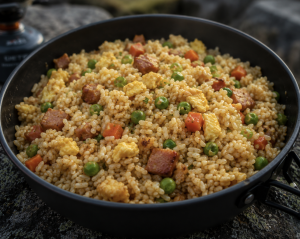
What About Freeze-Dried Foods? As she rolls her eyes, Anya admits that freeze-dried foods do have a place in mountaineering, particularly when you’re up at high camp. It’s a big effort to haul supplies up that high, and freeze-dried foods have a great calorie-to-weight ratio. Spruce up a bland and mushy meal with some hot sauce or chips for a little crunch.
When you’re at basecamp and living on a giant refrigerator, Anya encourages you to go all out with fresh veggies, dairy, and meat products.
Pro tip: bring a small quart of heavy cream and dilute it as needed for all your dairy needs! Tastier and richer than powdered milk, you can control how thick you want it: thinner with your granola and thicker with your coffee. The higher fat content helps the cream stay longer than regular milk.
Anya recommends stashing something particularly heavy and delicious at basecamp for your return from the summit – whether or not you summited on this trip, that special treat will be just the thing when you’ve made it back safely!
Check out our other articles to learn more and get inspired! Get in touch with any remaining questions – we can’t wait to see you in the Wrangells this summer and are happy to help you get out here by answering any questions you have!